Listening With Empathy at Dickinson College
What does it actually take to put people over politics? Republican and Democrat students discover ways to resist the pull to demean or villainize…
Become a subscribing member today. Help us continue to bring “the science of a meaningful life” to you and to millions around the globe.
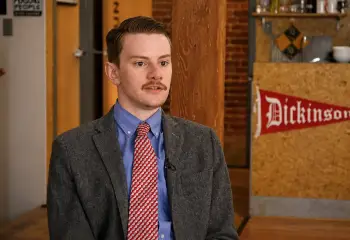
What does it actually take to put people over politics? Republican and Democrat students discover ways to resist the pull to demean or villainize…

Discover how our sense of smell can transport us back to meaningful memories, shape our emotions, and influence the brain systems involved in memory…

The most reliable way to build a habit that lasts is to make it so small you'd be embarrassed to describe it out loud.

Educators from our community share their favorite strategies for bringing joy into their school or classroom at the beginning of the year.

Interactions among male chimpanzees and bonobos involve touch, caring, vulnerability, and cooperation.

Body changes or chronic illness can disrupt our sense of meaning and challenge our identity, purpose, and assumptions about the future.
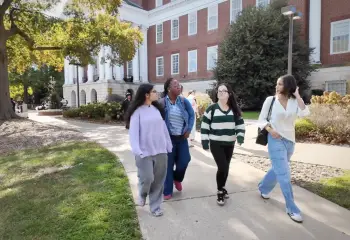
Can we create spaces where everyone’s voice matters? Equipped with patience, courage, and curiosity, students meet for the first time and discover…
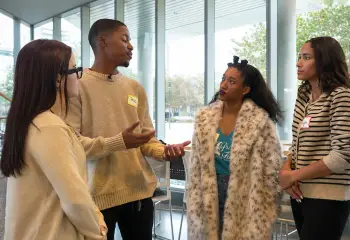
Students find that spending time with people from different backgrounds can be a powerful first step toward building alliances that create a more…