Yesterday, one of my son’s soccer teammates had been getting fouled a lot, and he finally lost his shoe on a slide tackle from another player. The kid started to cry in frustration, even pain. But his dad was not having it, and let him know by angrily kicking his son’s shoe to the other side of the field, sending the kid to fetch it himself. Many phrases came to mind as this scene unfolded. Tough love. Man up, kid. Suck it up. There’s no crying in baseball…or soccer!
Many parents embrace the “tough love” strategy of childrearing, which says that comforting a person is counter-productive to the development of resilience. I myself call it the “plantar theory of human nature.” According to this popular theory, the foot that is always protected by cushioned sneakers will never develop a layer of hard skin. It will only lead to a need for more cushioning.
I am agnostic on the debate of barefoot running, but I do feel strongly about this: People are not feet.
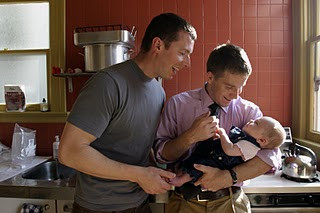
John Bowlby, the father of attachment theory, faced an uphill but ultimately successful battle to disprove the plantar theory of human nature. In an influential series of books, Bowlby brought psychology, ethology, and evolutionary theory together to argue that healthy human development is in fact based on the psychological security of being able to depend on our loved ones to meet our emotional needs and protect us from danger.
When we are infants, we are completely dependent and vulnerable. According to Bowlby, healthy socio-emotional development hinges on the child learning that their innate needs for proximity, safety, and comfort will be adequately met by protective adults. When one feels that one can depend on a protective figure for safety and security, one is more willing to explore one’s world, and paradoxically, become a more independent person later in life.
The notion that by accepting dependence from loved ones one can foster their independence sounds counterintuitive, for sure. Yet, hundreds of studies show this phenomenon clearly—when children feel they have a “secure base” that they can rely on, they exhibit greater independence and psychological well-being both as children and adults. Check out, for example, this video, which illustrates an experimental paradigm called, “The Strange Situation”:
Psychologist Brooke Feeney at Carnegie Mellon University has been able to demonstrate the “dependency paradox” at work in close relationships as well—that is, the fostering of independence by accepting a partner’s dependence. In a series of studies published in the Journal of Personality and Social Psychology, Feeney brought romantic partners into her lab to fill out a number of questionnaires and to complete several tasks. Participants also answered questions about their own responsivity towards their partners (e.g., “I am very attentive to my partner’s nonverbal signals for help and support.”). Feeney found that the more participants agreed with these types of statements, the greater independence both participants and their partners reported.
In one task, she had the partners solve some challenging puzzles, and found evidence for the same dependence-to-independence pattern: the more participants reported being responsive to their partners’ needs for comfort and support, the more likely the partners were to want to solve the puzzles without solution hints from their partners. In another study, participants’ acceptance of their partner’s dependence needs led to greater independent accomplishment of the partner’s own personal goals six months later.
Taken together, the findings are very clear: don’t kick your loved one’s shoes across the field when they get slide tackled. It’s OK to acknowledge their pain, to let them cry, to provide comfort. In fact, you’ll be doing both of you a favor—you’ll increase your likelihood that next time, your loved one will get up by themself, secure in the knowledge that you are there for them if they need you.



Comments