
We’re pleased to present the latest installment of Dr. Rick Hanson’s Greater Good blog, featuring posts from his Just One Thing (JOT) newsletter, which offers simple practices designed to bring you more joy, more fulfilling relationships, and more peace of mind and heart.
Some physical and mental pain is inevitable. I remember being six and slipping on an icy sidewalk in Illinois and landing hard on my tailbone: ouch! Much later, in my 50s, when my mother passed away, there was a different kind of pain. To survive physically, you need a body that tells you it hurts when it’s ill or injured. To flourish psychologically and in your relationships, you need a mind that sends different signals of distress—such as loneliness, anger, or fear—if you’re rejected, mistreated, or threatened.
To use a metaphor from the Buddha, the unavoidable pains of life are its “first darts.” But then we add insult to injury with our reactions to these darts. For example, you could react to a headache with anxiety that it might mean a brain tumor; you could greet a romantic rejection with harsh self-criticism.
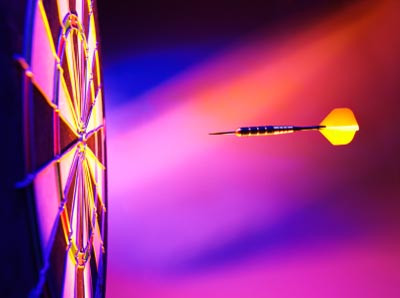 © Mark Wragg
What’s more, it’s common to have upsetting reactions when nothing bad has actually happened. For instance, you’re flying in an airplane and everything’s fine, but you’re worried about it crashing. Or you go out on a date and it’s fun, but then they don’t call for a day and you feel let down.
Most absurdly, sometimes we react negatively to positive events. Perhaps someone complimented you, and you had feelings of unworthiness; or you’ve been offered an opportunity at work, and you obsess about whether you can handle it; or someone makes a bid for a deeper friendship, and you worry about being disappointing.
All these reactions are “second darts”—the ones we throw ourselves. They include overreacting to little things, holding grudges, justifying yourself, drowning in guilt after you’ve learned the lesson, dwelling on things long past, losing perspective, worrying about stuff you can’t control, and mentally rehashing conversations.
Second darts vastly outnumber first darts. There you are, on the dartboard of life, bleeding mainly from self- inflicted wounds.
There are enough darts in life without adding your own!
How?
Accept the inevitability of first darts. They hurt, but pain is the price of living. Try not to get offended by pain—as if it’s an affront—or embarrassed about it, as if it’s a personal failing.
When pain does come, hold it in a large space of awareness. In a traditional metaphor, imagine pouring a big spoon of salt into a cup of water and then drinking it: yuck. Next, imagine stirring that spoonful into a big bowl of clean water and drinking a cup: not so bad now. It’s the same amount of salt—the same amount of physical or emotional pain—but now held and diluted in a larger context. Be aware of awareness, it’s like the sky: Pain passes through it like storm clouds, never tainting or harming awareness itself. See if you can let the pain be without reacting to it; this is a key aspect of an unconditional inner peace.
Observe second darts. They’re often easier to see when others toss these darts at themselves—and then consider how you throw them at yourself. Gradually bring your recognition of second darts into the present moment, so you can see the inclination to throw them arise—and then catch them if possible before you stab yourself one more time.
A second dart will often trigger a cascade of mental reactions, like one boulder rolling down a mountainside setting off others in a chain reaction. To stop the landslide, start by relaxing your body as best you can. This will activate the calming, soothing parasympathetic wing of your nervous system and put the brakes on the fight-or-flight sympathetic wing.
Next, try to see more aspects of the situation that’s troubled you, and more of your life in general, especially the parts that are going fine. Because of the negativity bias, the brain narrows down and fixates on what’s wrong, so you have to nudge it to widen its view to what’s right. The bird’s-eye, big picture view also deactivates the mid-line neural networks that do second-dart ruminating, and stimulates circuits on the side of your brain that can let things be as they are, without reacting to them.
Don’t put more logs on the fire. Don’t look for more reasons to worry, criticize yourself, or feel mistreated. Don’t get mad at yourself for getting mad at yourself.
When you throw second darts, you are the person you hurt most. The suffering—mild to severe—from second darts is truly unnecessary. As the saying goes, pain is inevitable, but suffering is optional.




Comments
Thank you for a very rational and comforting article - it came just at the right time for me. Words of wisdom,much much appreciated!
Denise Bird | 1:37 pm, December 10, 2011 | Link